Quartz TPT gives Richard Mille watches a distinctive visual identity while supporting demanding engineering goals. The material combines thin quartz fibres with a resin matrix, producing a layered pattern across the case. Its light weight, rigidity, and resistance to environmental stress suit modern watchmaking today distinctly. This material also adds character that collectors associate with Richard mille watch price Dubai.
What makes quartz TPT different?
Quartz TPT uses extremely thin quartz fibres arranged within a resin matrix. Manufacturers process these layers under controlled conditions before machining the material into watch cases. The resulting structure offers impressive rigidity while maintaining a low overall weight.
Each case also displays a unique striped pattern because the fibre layers produce subtle variations during machining, giving every watch an individual appearance.
Lightweight construction supports comfort
Richard Mille focuses heavily on reducing unnecessary weight without sacrificing structural performance. Quartz TPT contributes to this goal because quartz fibres provide excellent stiffness at a relatively low mass.
A lighter case supports comfortable daily wear and complements the brand’s technical approach. The material also works effectively alongside titanium and other advanced components used throughout selected Richard Mille movements and cases.
Resistance suits demanding environments
Quartz TPT handles temperature changes and physical stress effectively, making it suitable within technically ambitious watch designs. Its resin matrix supports the quartz fibres and helps maintain structural stability.
This combination gives the case useful resistance against environmental influences encountered during regular wear. Such characteristics support Richard Mille’s focus on watches that combine mechanical complexity with practical durability.
The striped pattern becomes a signature
The most recognizable feature of Quartz TPT appears across the case surface. Alternating fibre layers produce fine lines that vary slightly between individual pieces. Machining reveals these layers and gives each case a distinctive texture.
Unlike conventional metal surfaces, Quartz TPT delivers a visual depth that changes under different lighting conditions, adding an unmistakable character to the watch.
Advanced machining reveals the material
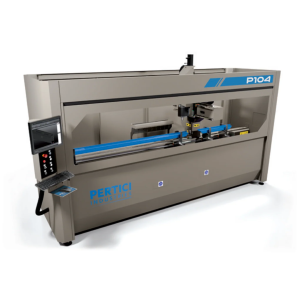
Working with Quartz TPT requires specialized machining techniques because the material behaves differently than conventional metals. Richard Mille uses precision manufacturing methods to cut, shape, and finish complex case profiles.
Machining must maintain clean edges while revealing the layered structure. This technical process links the material’s engineering properties with the dramatic case designs associated with the brand.