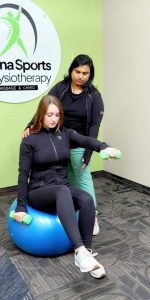
Motor Vehicle Accidents (MVAs) can lead to various injuries that affect mobility, strength, and overall well-being. Physiotherapy plays a crucial role in helping patients recover effectively by restoring function and reducing pain. Incorporating specific exercises tailored to the patient’s condition is a foundational aspect of this process.
Below are some commonly used exercises within MVA physiotherapy programs, organized by their targeted outcomes.
Stretching Exercises for Improved Flexibility
Stretching is vital to improve flexibility and reduce stiffness, which is often a common symptom after an MVA. Gentle stretches like neck tilts, shoulder rolls, and hamstring stretches help loosen tight muscles and restore range of motion. Stretching also aids in preventing further injuries by ensuring that the muscles and joints work smoothly during movement.
Example Stretching Exercises:
- Neck stretches to alleviate whiplash pain.
- Cat-cow stretch to gently improve back mobility.
- Hamstring stretches to reduce lower body tension.
Strengthening Exercises to Rebuild Muscle
Following an accident, some muscles may weaken due to limited use, pain, or disuse. Strengthening exercises are essential in rebuilding muscle function and enhancing overall stability. Resistance training, bodyweight exercises, or band-based routines can progressively target various muscle groups to improve resilience to future stress or strain.
Example Strengthening Exercises:
- Wall sits for lower body strength.
- Shoulder blade squeezes to improve posture.
- Bridges to strengthen the core and lower back.
Balance and Coordination Training for Stability
MVAs can impact balance and coordination, especially if there is dizziness or nerve-related issues. Physiotherapy exercises focusing on balance can help restore stability and prevent the risk of falls. This can include standing on one leg or using balance boards under a therapist’s guidance.
Example Balance Exercises:
- Single-leg stance to boost control.
- Heel-to-toe walking to improve stability during motion.
- Weight shifts for better coordination.
Cardiovascular and Aerobic Conditioning
Low-impact cardio exercises, such as walking or cycling on a stationary bike, are often included in physiotherapy to promote circulation and improve overall endurance. These exercises also aid in reducing inflammation and managing stress, which can support faster recovery.
While the above exercises are widely used, it’s crucial to note that each patient’s recovery is unique. Physiotherapists assess the individual’s condition, injury severity, and recovery goals to design a customized exercise program. Proper guidance ensures that exercises are performed safely and effectively, minimizing the risk of unnecessary strain.