That relentless scalp itch can be one of the first signs that head lice have made themselves at home. Scratching may bring brief relief, but it does nothing to address the cause, and can leave the scalp sore and irritated. Effective treatment tackles the infestation while giving the skin a chance to settle down.
So, what helps calm the itching quickly while dealing with lice at the source? Here’s how the best lice treatment can help.
Why lice cause intense itching
Head lice feed on small amounts of blood from the scalp. During feeding, they release saliva into the skin, which may trigger an itchy reaction. Scratching then irritates the scalp further and may leave tiny marks. Some people experience strong itching, while others show little irritation despite having lice. The itching may also linger after treatment because the scalp takes time to settle.
How lice treatment targets the source
Lice treatment works by targeting live lice on the hair and scalp. Depending on the active ingredient, a product may affect the lice nervous system or interfere with their ability to survive. Removing live lice reduces further bites, which helps lower the trigger behind scalp itching. Treatment works best when users follow the product label and apply the recommended amount correctly.
Why itch relief takes time
Eliminating live lice does not always stop itching immediately. The scalp may remain irritated after bites and scratching, so discomfort may last for several days. Some treatments also cause temporary scalp irritation. Gentle hair care helps the skin settle during this period. Avoiding excessive scratching also protects the scalp from additional irritation, small wounds, and possible infection.
The role of combing
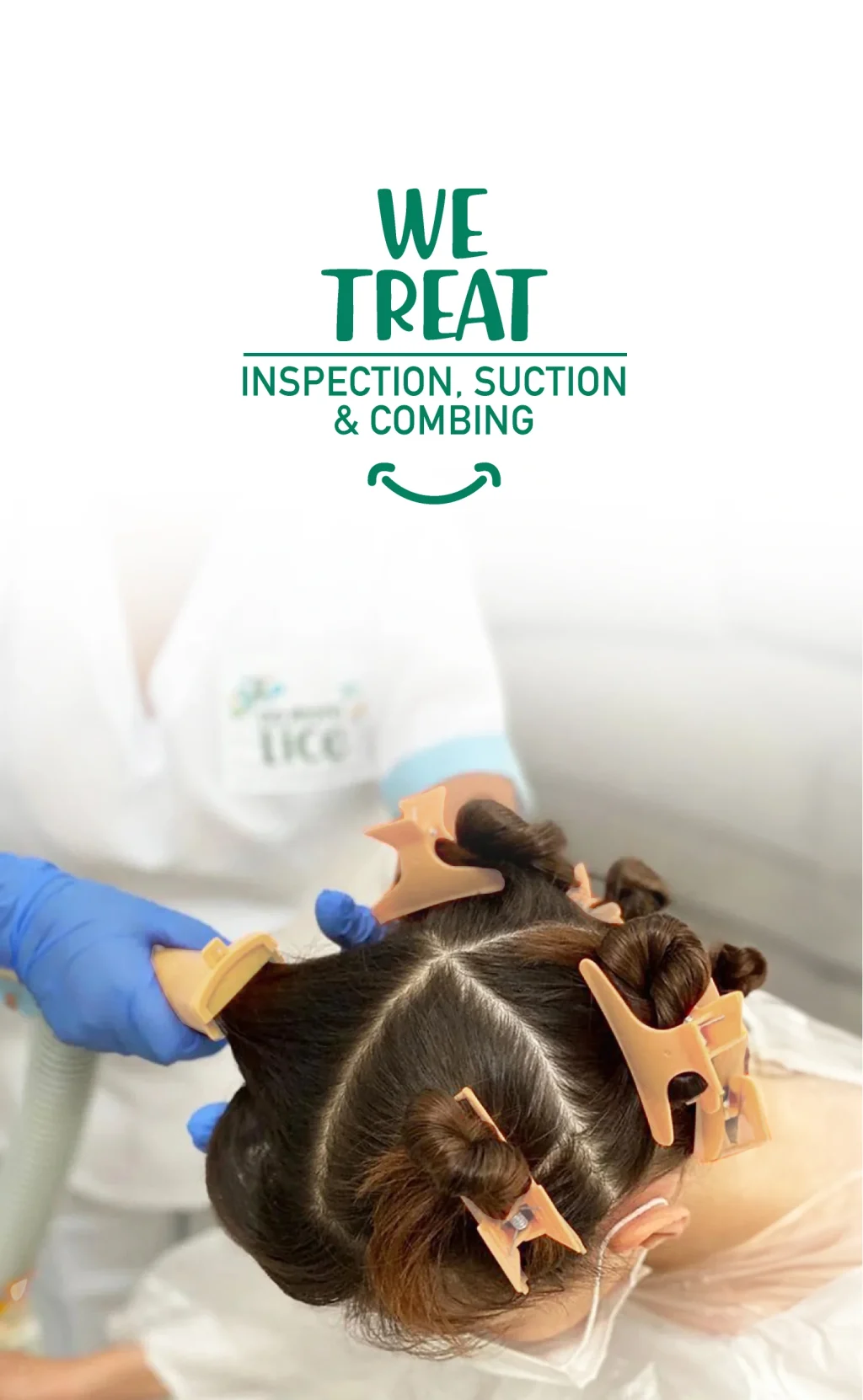
A fine-toothed lice comb helps remove lice and nits attached to individual hair strands. Wet combing makes hair easier to section and allows closer inspection near the scalp. Regular combing also helps identify surviving lice after the first treatment. Combining an appropriate treatment product with thorough combing gives families a practical method for reducing the lice population and limiting further scalp irritation.
When itching stays after treatment
Persistent itching does not automatically mean treatment has failed. Check the scalp and hair for live crawling lice before repeating a product. Follow the label instructions regarding repeat applications, since unnecessary use may irritate the scalp. Seek advice from a healthcare professional if live lice remain after correct treatment or if scratching causes significant sores, swelling, or signs of infection.